Building Near Boundaries: What Builders Need to Resolve Before Lodgement
For many projects, building close to a boundary is unavoidable due to site constraints, yield requirements or planning controls.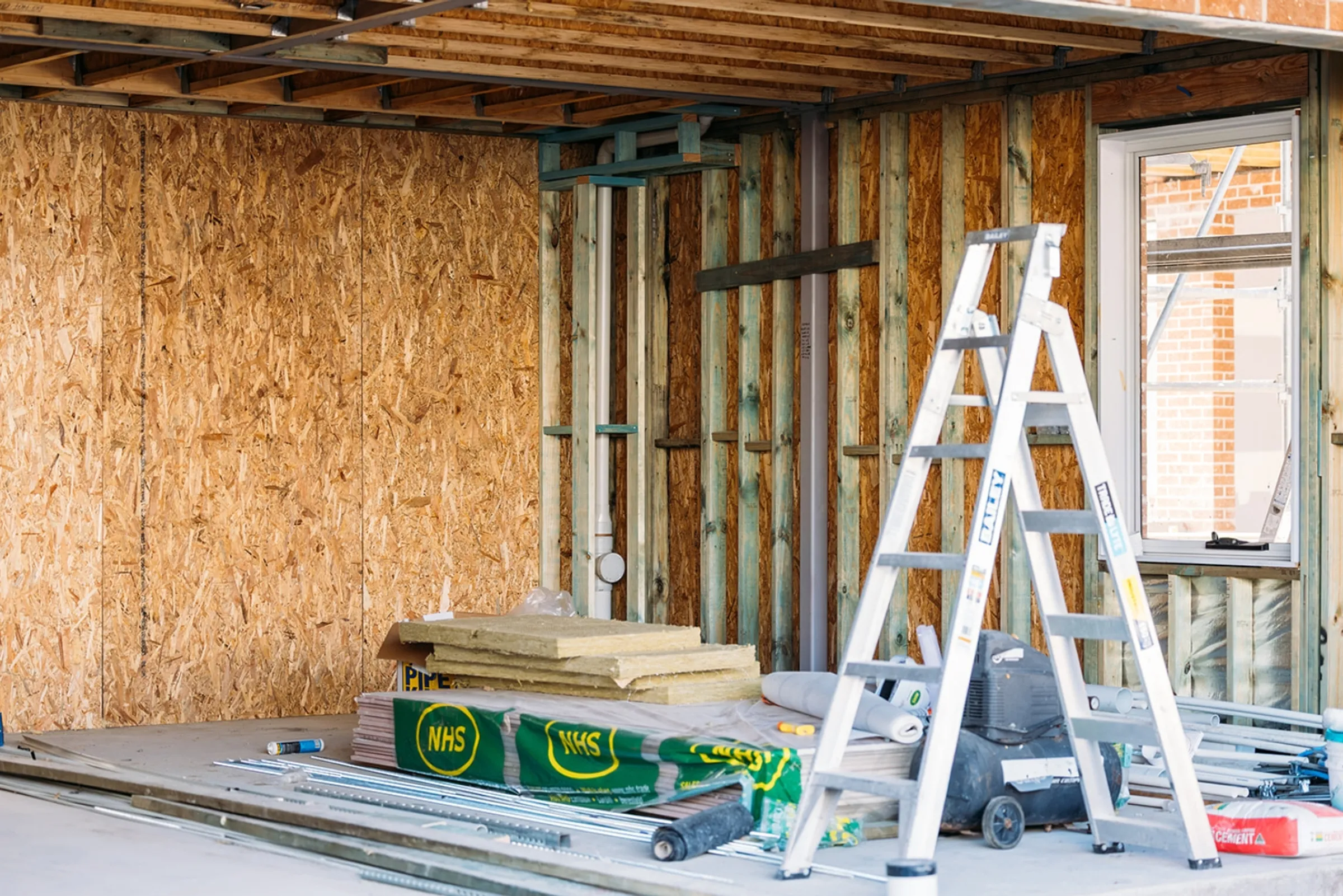
For many projects, building close to a boundary is unavoidable due to site constraints, yield requirements or planning controls.
However, from a building certification perspective, boundary conditions are one of the most common areas where projects encounter delays during the approval process.
For builders, developers and project teams working in NSW and QLD, resolving boundary-related compliance issues early is critical to ensuring a smooth path through approval.
Why Boundary Conditions Matter at Certification Stage
When a building is located close to a boundary, it triggers a number of requirements under both:
- Planning controls (setbacks and zoning)
- The National Construction Code (NCC)
For CDC applications, certifiers are required to assess both planning controls and NCC compliance. For Construction Certificates (CC) and Building Approvals (BA), the focus is primarily on NCC compliance and ensuring the approved design can be constructed in accordance with the relevant requirements.
Where this alignment is not achieved, projects can be delayed while documentation is updated or compliance issues are resolved.
Setbacks and Planning Compliance
Minimum setbacks are governed by local planning instruments in NSW and planning schemes in QLD.
During the assessment, certifiers must confirm that the proposed building location complies with the applicable controls.
Where setbacks do not comply, this may:
- Result in non-compliance with the planning instrument
- Prevent the issue of a Complying Development Certificate (CDC), Construction Certificate (CC) or Building Approval (BA)
- Require redesign prior to approval
- Trigger a different approval pathway, such as a Development Application (DA)
Setback compliance is critical in determining where a building can be approved on site. Early assessment helps ensure the design is coordinated correctly before documentation is finalised for submission.
Fire Separation and Boundary Distances
Fire separation is a key requirement when assessing buildings near boundaries.
The NCC sets out clear provisions relating to:
- Distance to boundary
- Fire resistance levels of walls
- Protection or limitation of openings
- External wall construction
These requirements must be clearly demonstrated in the documentation before approval can be issued. In general, the wall of a Dwelling must be a minimum of 900mm from a boundary, or it will be required to be constructed as an FRL Wall.
Importantly, it is not sufficient to simply nominate an FRL (for example, “wall to achieve FRL 60/60/60”). The proposed system used to achieve that rating must also be identified and supported as a tested system compliant with NCC Deemed-to-Satisfy provisions and relevant Australian Standards.
Where this information is not provided, certifiers may request further detail before approval can proceed, which can impact timeframes and increase construction costs.
Projections and Boundary Encroachments
Elements such as eaves, gutters and other projections also play a role in boundary compliance.
For dwellings, eaves are generally required to be a minimum of 450mm from the boundary, or 900mm from another dwelling’s eaves.
These features are assessed to ensure they:
- Do not extend beyond allowable limits
- Comply with setback controls
- Meet any applicable fire separation requirements
If these details are not coordinated early, further clarification or revision may be required before approval can be issued.
Why Early Certification Input Matters
Boundary-related issues are most effectively resolved during the early stages of a project. From a certification perspective, early clarity around boundary conditions is one of the most effective ways to keep projects moving from submission through to construction.
At Buildcert, we regularly work with builders and project teams at this stage to help identify potential risks early, minimise delays and provide greater certainty through the approval process.